


Preparing for the 2034 FIFA World Cup: Stadium Seating Solutions for Saudi Arabia and Neighboring Regions
The confirmation of Saudi Arabia as the host of the 2034 FIFA World Cup has created an unprecedented wave of infrastructure development across the Middle East. From Saudi Arabia itself to neighboring countries such as the United Arab Emirates, Qatar, Kuwait, and Oman, the region is experiencing a construction boom to support both football and multi-sport events. In this dynamic landscape, one factor stands at the heart of fan experience and stadium functionality: stadium seating.
As regional investors and contractors prepare for the World Cup, the demand for durable, cost-effective, and world-class seating solutions is growing rapidly.
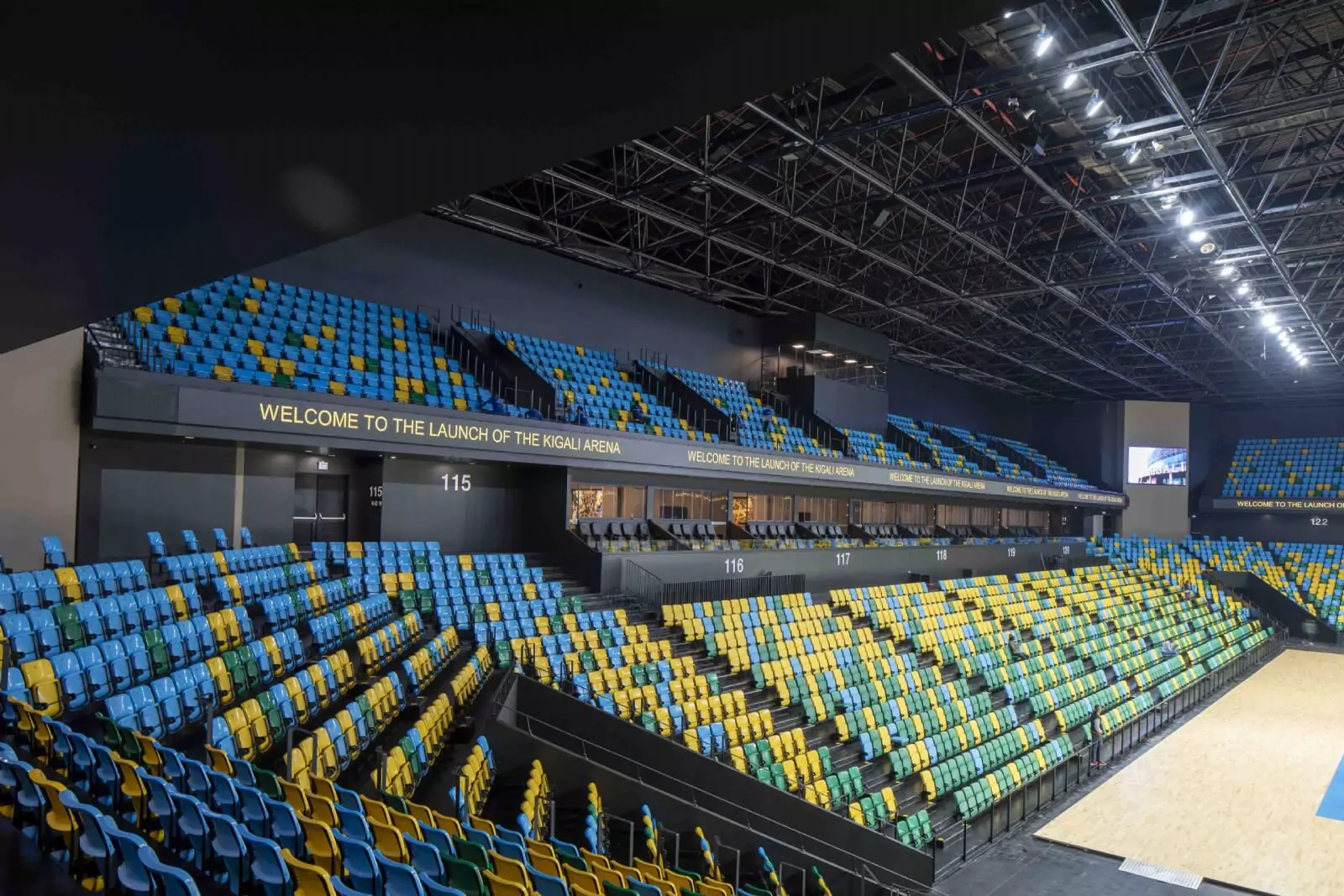
Why the 2034 FIFA World Cup Matters for the Region
The 2034 tournament is more than just a global sports event—it is a catalyst for regional transformation. Saudi Arabia plans to build or renovate more than a dozen stadiums, and neighboring nations are also preparing to attract fans, teams, and tourism.
This presents an extraordinary opportunity for stadium seating suppliers in the Middle East, especially those capable of delivering high volumes, rapid installation, and compliance with FIFA and ISO standards.
Key Stadium Projects Ahead of 2034
Several major stadiums are already in development or scheduled for upgrades:
King Salman International Stadium, Riyadh – Expected to host the final, with a seating capacity of over 90,000.
Qiddiya Stadium, Saudi Arabia – Multi-purpose venue designed for football, concerts, and entertainment.
NEOM Stadium, The Line Project – A futuristic 46,000-seat facility scheduled for completion before 2032.
Aramco Stadium, Khobar – Positioned to host international matches with a capacity exceeding 46,000.
Upgrades in UAE, Qatar, and Kuwait – Neighboring nations modernizing stadiums to host fan festivals, training camps, and regional tournaments.
Each of these projects requires millions of new stadium seats, ensuring a significant demand for seating manufacturers in the region.
What Makes Stadium Seating Critical?
While the focus often falls on architecture or technology, stadium seating is one of the most visible and functional elements of an arena. For the 2034 FIFA World Cup, seating must deliver:
Durability: Resistant to extreme heat, UV exposure, and heavy usage.
Safety: Compliance with FIFA, ISO, and EN standards.
Comfort: Ergonomic design for long matches and extended events.
Flexibility: Modular seating systems for multi-purpose use.
Aesthetic Appeal: Seats designed to reflect national branding and stadium identity.
Regional Opportunities for Stadium Seating Suppliers
The Middle East is not just investing in Saudi Arabia’s World Cup venues. Neighboring countries see the World Cup as a chance to:
Boost tourism with fan zones and training centers.
Develop multi-purpose arenas for both sports and entertainment.
Strengthen regional leagues by upgrading local stadiums.
This broadens the demand for seating solutions across the Gulf region, not just in Saudi Arabia.
Balancing Price and Durability
One of the main concerns for stadium developers is finding cost-effective seating without compromising on durability. Price-performance solutions are especially relevant for:
Publicly funded projects with strict budgets.
Private investors seeking long-term returns.
Multi-purpose arenas needing adaptable and resilient seating.
Affordable seating that meets international safety and durability standards offers the best value for regional projects.
The Role of Sustainability in Stadium Seating
As Saudi Arabia’s Vision 2030 emphasizes sustainability, seating manufacturers must align with eco-friendly goals. This includes:
Recyclable materials that reduce waste.
Low-carbon production processes.
Refurbishment and modular systems that extend product life.
These sustainable practices not only appeal to regulatory requirements but also enhance the long-term image of stadium projects.
Looking Ahead: Beyond the World Cup
While the 2034 FIFA World Cup is the immediate focus, stadium seating investments will continue to pay off long after the tournament ends. The region is positioning itself as a global sports hub, hosting:
AFC Asian Cup tournaments.
International athletics and rugby events.
Concerts and cultural festivals.
This long-term vision ensures that stadium seating solutions remain a critical infrastructure investment.
Conclusion
The countdown to the 2034 FIFA World Cup has already begun, and with it, the demand for durable, affordable, and modern stadium seating solutions is rapidly increasing. Saudi Arabia and its neighbors are not only building stadiums for one tournament but creating a regional legacy of world-class sports and entertainment facilities.
For contractors, investors, and project managers, the priority is clear: invest in seating that balances comfort, safety, price, and durability, ensuring venues are ready to welcome the world in 2034 and beyond.